2026-11-14 · Javier Soto
San Diego River Floodplain Water Damage: Local Prevention Tips
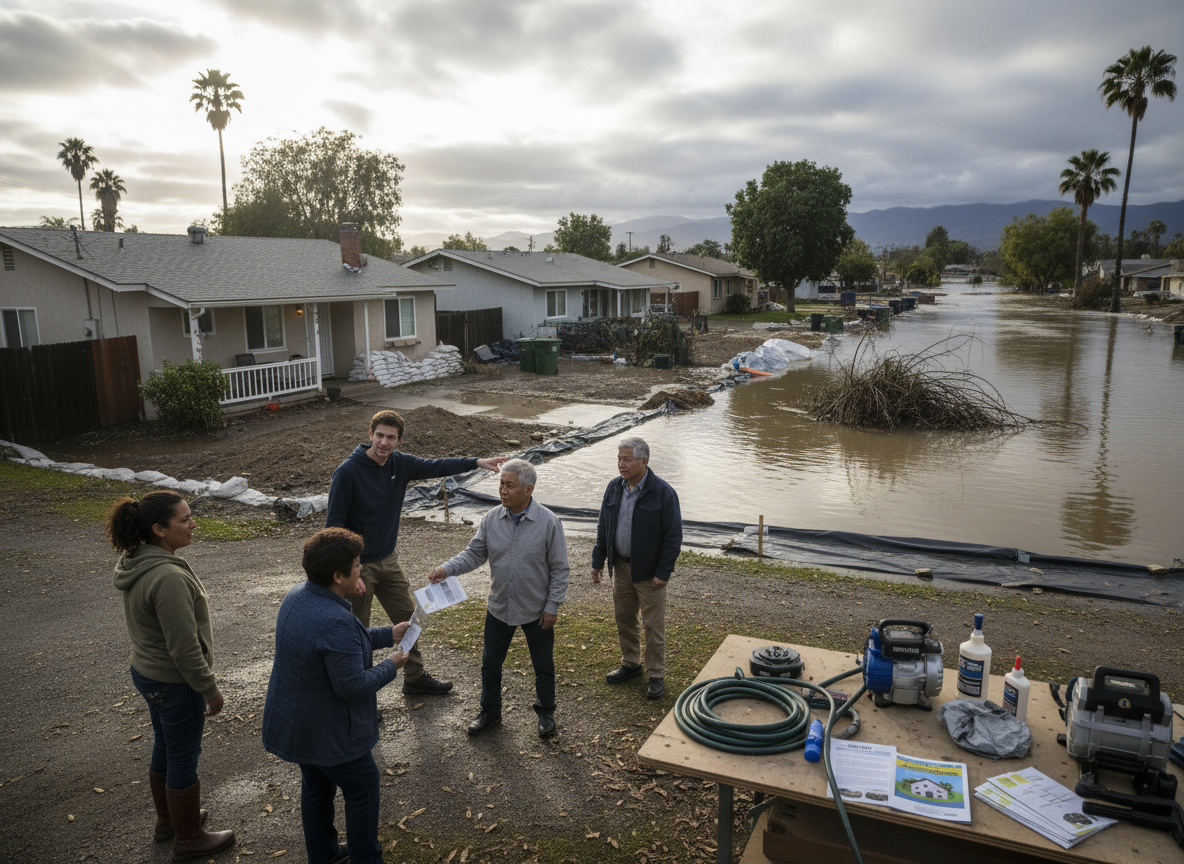
Preventing water damage along the San Diego River floodplain starts with confirming your property sits above the base flood elevation and directing all surface water away from the foundation before the first winter rains arrive.
Mapping Local Flood Zones in San Diego County
The San Diego River runs through Mission Valley and reaches toward La Mesa and Chula Vista, placing many older homes built before 1970s floodplain maps at higher risk. Properties near Balboa Park or the USS Midway Museum sit on flatter terrain where water pools quickly during heavy coastal rains. Walk your lot lines after a storm to note where water collects against stucco walls or garage slabs. Check the county flood maps for your exact parcel rather than relying on neighborhood reputation. Homes in North Park or Pacific Beach often have steeper driveways that can funnel runoff if the curb drain is clogged with leaves. Mark low spots with survey flags so you can regrade before the next wet season.
Improving Site Drainage Around Older Homes
Most single-family homes in Mission Valley and La Mesa have shallow foundations that sit close to the water table. Add 4- to 6-inch French drains along the uphill side of the house and tie them into the street gutter at least 10 feet from the structure. Keep a minimum 6-inch drop in grade over the first 10 feet away from the foundation. In La Jolla and Coronado, sandy soils drain fast, but clay pockets near the river slow water and increase saturation time. Clean gutters and downspout extensions every three months; extend downspouts at least 5 feet from the wall. Avoid planting dense ground cover within 3 feet of the house so water does not pond against siding.
Protecting Utilities and Entry Points
Raise electrical panels, furnaces, and water heaters at least 12 inches above the 100-year flood level if your home sits in the mapped floodplain. Install backflow valves on main sewer lines in older Mission Valley and North Park properties where the river historically overtopped banks. Seal foundation cracks wider than 1/8 inch with hydraulic cement before rains begin. For sliding doors common in Pacific Beach homes, add 3-inch threshold barriers that can be removed after storm season. Check these seals twice a year, once before November rains and again in March. Water Damage From San Diego Winter Storms: What Homeowners Should Check First covers the inspection sequence after the first heavy rain.
Seasonal Maintenance and Professional Support
Schedule a site visit in October to review grading, sump pump function, and exterior seals before the Mediterranean climate delivers its concentrated winter rainfall. Test battery backup on any sump pump every month during the dry season. Keep records of elevation certificates and drainage work for future buyers. When water does enter, quick extraction limits damage to subfloors and drywall. Flood Damage Restoration crews familiar with San Diego County river corridors know which neighborhoods require extra dehumidification time due to higher humidity near the coast. Call the team at 10801 Vista Sorrento Pkwy during business hours Monday through Friday 8am–6pm or Saturday 9am–2pm for a same-day assessment when standing water appears.