2026-11-14 · Javier Soto
How to Spot Hidden Moisture in San Diego Stucco Homes
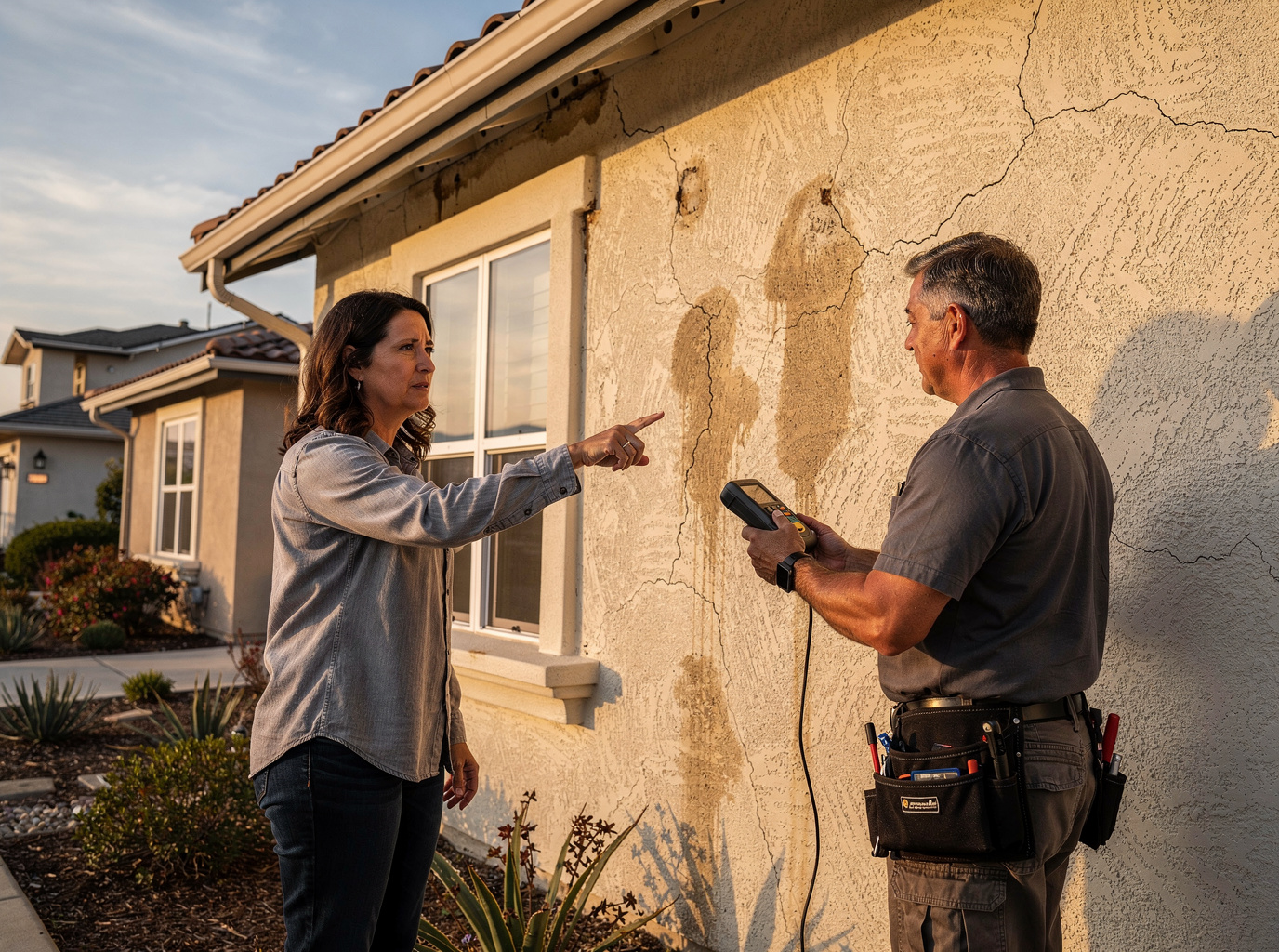
In San Diego County, hidden moisture in stucco homes typically shows up first along baseboards or window frames within 3–7 years when coastal humidity combines with minor roof leaks. Check for these signs by starting at the exterior walls facing prevailing winds, especially in neighborhoods like La Jolla and North Park where older stucco mixes meet the mild Mediterranean climate year-round.
Exterior Wall Checks in Coastal Neighborhoods
Examine stucco surfaces in Pacific Beach and Mission Valley during morning fog periods when dampness lingers longest. Look for hairline cracks wider than 1/16 inch that allow water entry, or areas where the finish feels soft when pressed. In La Jolla homes built on slopes near La Jolla Cove, runoff from higher terrain often concentrates at foundation lines. Measure discoloration patches that appear after light rain and persist beyond 48 hours. These patterns differ from inland spots because salt air accelerates breakdown of the stucco coating itself.
Interior Signs Near Windows and Doors
Walk through rooms facing west or south in Downtown San Diego or Coronado properties and note musty odors strongest after sunset when temperatures drop. Press drywall near baseboards with a moisture meter reading above 15 percent indicates trapped water behind the stucco. In North Park bungalows, check around original single-pane windows where condensation forms nightly. Count any bubbling paint spots larger than 2 inches across, as these mark repeated wetting cycles common in the county's 10–15 inch annual rainfall concentrated in winter months.
Tools and Step-by-Step Testing Methods
Use an infrared camera to scan walls in La Mesa or Chula Vista homes during evening hours when surface temperature differences exceed 4 degrees Fahrenheit. Follow with pin-type meters inserted at 1-inch depths along suspected seams every 12 inches. Test multiple floors starting at ground level where soil moisture from the coastal plain rises through slab edges. Document readings on a simple grid noting which walls face the Pacific, since those receive the heaviest salt-laden mist. This sequence reveals pockets missed by visual checks alone in the county's varied terrain.
When to Call Local Restoration Services
Persistent readings above 20 percent or visible mold growth within 48 hours after testing point to the need for professional Water Damage Repair in San Diego County homes. Owners in areas like Pacific Beach often see faster spread because stucco over wood framing holds moisture longer than newer synthetic systems. Review the related guide on Water Damage From San Diego Winter Storms: What Homeowners Should Check First for seasonal timing that matches local rain patterns. Address findings before they reach adjacent drywall in multi-story structures common throughout the region.
Prevention Steps for San Diego Stucco Stock
Apply elastomeric coating every 8–12 years to exteriors in Coronado and La Mesa where UV exposure is high. Maintain 6-inch clearance between soil and stucco in Mission Valley yards to reduce splash-back during the county's occasional heavy downpours. Trim vegetation within 18 inches of walls in North Park to improve airflow and lower humidity pockets. Schedule annual checks after the winter season when most hidden moisture accumulates in older housing stock built before modern vapor barriers became standard.